
-
 Vendor:Albatross
VLR Vinyl Letter Remover
VLR Vinyl Letter Remover Solvent The Lawson Workhorse Group (LWG) VLR Vinyl Letter Remover Solvent...Regular price $20.21 USDRegular priceUnit price per -
 Vendor:Specialty Materials
Specialty Materials ThermoFlexPlus for Knit Fabrics 12" x 10 Yard Roll
Specialty Materials ThermoFlex Plus for Knit Fabrics | 12" x 10 Yard Roll ThermoFlex Plus,...Regular price $67.99 USDRegular priceUnit price per -
 Vendor:Specialty Materials
Specialty Materials ThermoFlex Plus For Knit Fabrics 15" x 5 Yard Roll
Specialty Materials ThermoFlex Plus For Knit Fabrics 15" x 5 Yard Roll | The One...Regular price $47.99 USDRegular priceUnit price per -
 Vendor:Specialty Materials
Specialty Materials ThermoFlex Plus for Knit Fabrics 15" x 20 Yard Roll
Specialty Materials ThermoFlex Plus for Knit Fabrics 15" x 20 Yard Roll | A Product...Regular price $174.25 USDRegular priceUnit price per -
 Vendor:Specialty Materials
Specialty Materials ThermoFlex Plus for Knit Fabrics 15" x 30 Yard Roll
Specialty Materials ThermoFlex Plus for Knit Fabrics 15" x 30 Yard Roll Has So Many...Regular price $258.38 USDRegular priceUnit price per -
 Vendor:Specialty Materials
Specialty Materials Thermo Flex Xtra
Specialty Materials ThermoFlex Xtra | Heat Transfer for Nylon and Leather ThermoFlex Xtra is designed...Regular price $52.88 USDRegular priceUnit price per -
 Vendor:Roland
Eco-Sol MAX Roland Inkjet Ink Cartridges
Eco-Sol MAX Ink and Toner Cartridges for Roland Printer-Cutters These Eco-Sol MAX ink and toner...Regular price $154.09 USDRegular priceUnit price per$0.00 USDSale price $154.09 USD -
 Vendor:Roland
Roland Eco-Sol MAX 2 Inkjet Ink Cartridges For The BN-20A
Roland Eco-Sol Max 2 Inkjet Ink Cartridges For Use With The BN2-20 & BN-20A Roland Eco-Sol...Regular price $112.69 USDRegular priceUnit price per$0.00 USDSale price $112.69 USD -
 Vendor:Roland
TrueVIS TR2 Ink
When Color Matters Use Roland TrueVIS TR2 Inks Roland TrueVIS TR2 Inks were designed to...Regular price $163.29 USDRegular priceUnit price per -
 Vendor:Roland
Roland Sol Ink Cleaning Cartridge
Keep Your Printer Working Great With The Roland Sol Ink Cleaning Cartridge This Roland Sol...Regular price $66.98 USDRegular priceUnit price per$0.00 USDSale price $66.98 USD -
 Vendor:Roland
Roland Glossy Calendered Vinyl with Permanent Adhesive
Versatile Roland Glossy Calendered Vinyl Roland Glossy Calendered Vinyl is a pressure-sensitive calendered vinyl that...Regular price $206.99 USDRegular priceUnit price per$0.00 USDSale price $206.99 USD -
 Vendor:Lawson Workhorse Group (LWG)
FDC 4200 Series Calendered High Gloss Vinyl 15" Wide More Colors
Here are some additional FDC Series 4200 Calendered High Gloss Vinyl colors in the 15-inch...Regular price $32.99 USDRegular priceUnit price per$0.00 USDSale price $32.99 USD -
 Vendor:FDC Graphic Films, Inc.
FDC 4200 Series Calendered High Gloss Vinyl - 24" Wide
FDC 4200 Series Calendered High Gloss Vinyl - 24" Wide: So Many Colors FDC Series...Regular price $59.24 USDRegular priceUnit price per -
 Vendor:Lawson Workhorse Group (LWG)
Lawson Workhorse Group (LWG) Vinyl Application Tape
Lawson Workhorse Group (LWG) Vinyl Application Tape | Long Shelf Life for Vinyl Graphics Lawson...Regular price $40.09 USDRegular priceUnit price per$23.09 USDSale price $40.09 USD -
 Vendor:Epson
Epson DS Sublimation Transfer Multi Use Paper
Epson DS Transfer Multi-Use Paper: The Professional Standard for Versatility Stop switching papers for every...Regular price $34.00 USDRegular priceUnit price per -
 Vendor:Lawson Workhorse Group (LWG)
Teflon Coated Transfer Sheet
Teflon-Coated Transfer Sheet | Enhanced DTG, DTF, and Vinyl Transfers Teflon-coated blanket sheets are essential...Regular price $27.95 USDRegular priceUnit price per$0.00 USDSale price $27.95 USD -
 Vendor:Lawson Workhorse Group (LWG)
Lawson Workhorse Group (LWG) DTG/DTF Pre-Treat Curing Paper (Uncoated)
DTG/DTF Pretreatment Curing Paper (Uncoated) | Compatible with All Pretreatment Solutions This uncoated paper is...Regular price $30.99 USDRegular priceUnit price per$0.00 USDSale price $30.99 USD -
 Vendor:Lawson Workhorse Group (LWG)
Lawson Workhorse Group (LWG) DTG Ink Curing Silicone Treated Parchment Paper (Coated)
DTG Ink Curing Silicone-Treated Parchment Paper | Professional-Grade Coated Paper This silicone-treated Quilon parchment paper...Regular price $30.98 USDRegular priceUnit price per -
 Vendor:Lawson Workhorse Group (LWG)
Transfer-71 Heat Transfer Paper
Lawson Workhorse Group (LWG) Transfer 71 Heat Transfer Paper – The Ultimate Cold-Peel Solution for...Regular price $114.59 USDRegular priceUnit price per -
 Vendor:FDC Graphic Films, Inc.
FDC 4200 Series Calendered High Gloss Vinyl - 15" Wide
FDC 4200 Series Calendered High Gloss Vinyl - 15" Wide | When You Want Beautiful...Regular price $43.47 USDRegular priceUnit price per -
 Vendor:Lawson Workhorse Group (LWG)
Transfer Foils 2-Pack
Shiny Transfer Foils For All Your Projects This document lays out the steps and setting...Regular price $83.50 USDRegular priceUnit price per$0.00 USDSale price $83.50 USD -
 Vendor:Roland
Roland Wallflair Removable Vinyl
You'll Love Roland WallFlair Removable Vinyl!!! Roland WallFlair Removable Vinyl is a premium-quality, 6-mil matte...Regular price $67.83 USDRegular priceUnit price per$0.00 USDSale price $67.83 USDSold out -
 Vendor:Lawson Workhorse Group (LWG)
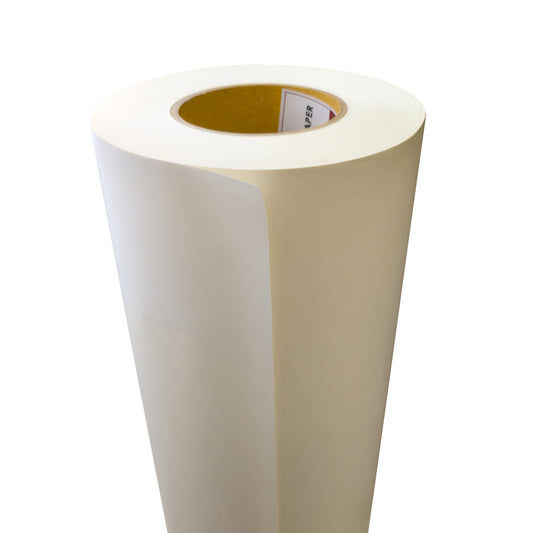
Lawson Workhorse Group (LWG) Dye Sublimation Transfer Paper
Lawson Workhorse Group (LWG) Dye Sublimation Transfer Paper | High Quality On A Budget Get...Regular price $20.70 USDRegular priceUnit price per -
 Vendor:Specialty Materials
Heat Applied Vinyl Transfer Mask and Seal Tape
HeatSoft HTV Transfer Masks | For Heat-Applied Vinyl Graphics Lawson Workhorse Group (LWG)’s HeatSoft HTV...Regular price $48.00 USDRegular priceUnit price per$0.00 USDSale price $48.00 USD -
 Vendor:Specialty Materials
Specialty Materials REFLECTION PROTECTION™
Specialty Materials Reflective Protection | A Great Reflective Film Use REFLECTION PROTECTION™ for nighttime visibility and brilliance...Regular price $74.51 USDRegular priceUnit price per -
 Vendor:Specialty Materials
Specialty Materials GlitterFlex®ULTRA
Specialty Materials GlitterFlex®ULTRA | Dazzle Everybody GlitterFlex®ULTRA creates stunning results with a wide variety of...Regular price $74.51 USDRegular priceUnit price per -
 Vendor:Specialty Materials
Specialty Materials DecoSPARKLE
DecoSPARKLE® is a holographic film that creates shimmering rainbow color effects. Dimensionally stable, durable, and...Regular price $48.07 USDRegular priceUnit price per -
 Vendor:Specialty Materials
Specialty Materials Wild Fashion Prints
Specialty Materials Wild Fashion Prints | Step Away From Ordinary Wild Fashion Prints are for...Regular price $59.49 USDRegular priceUnit price per -
 Vendor:Lawson Workhorse Group (LWG)
Jet Opaque Inkjet Transfer Paper for Dark-Colored Garments
Jet Opaque Inkjet Transfer Paper for Dark-Colored Garments: The Paper Professionals Use Jet Opaque Heat...Regular price $155.10 USDRegular priceUnit price per$0.00 USDSale price $155.10 USD -
 Vendor:Roland
Roland Wire Tension Meter
Roland Wire Tension Meter Works With Roland Inkjet Printer/Cutters Roland Wire Tension Meter for use...Regular price $74.07 USDRegular priceUnit price per$0.00 USDSale price $74.07 USD -
 Vendor:Roland
CAMM-1 GS-24 Roland Desktop Vinyl Cutter
The Roland CAMM-1 GS-24 desktop cutter is precision and efficiency to the max. With a...Regular price Contact SalesUnit price per


Vinyl & Heat Transfer Supplies
Buying Guide
Vinyl & Heat Transfer Supplies Buying Guide
Vinyl & Heat Transfer Supplies
Frequently Asked Questions
Vinyl & Heat Transfer Supplies Frequently Asked Questions
FAQ: Vinyl and Heat Transfer Supplies
What supplies are needed for the Roland BN-20A?
The Roland BN-20A requires Eco-Sol MAX 2 ink cartridges and high-quality printable vinyl. For daily maintenance, we also recommend keeping a Roland Sol Ink Cleaning Cartridge on hand to ensure the longevity of your printhead and prevent nozzle clogs.
How do I choose the right curing paper for DTG or DTF?
Choosing the right paper depends on your desired finish:
- Silicone Treated Parchment Paper: Provides a slight semi-gloss finish and prevents ink from sticking to the heat platen.
- Uncoated Pre-Treat Curing Paper: Ideal for drying pretreatment, as it allows moisture to escape while keeping the fibers flat for a smoother print surface.
Can I remove heat transfer vinyl if I make a mistake?
Yes. We offer VLR Vinyl Letter Remover, a powerful solvent that dissolves the bond between the HTV adhesive and the fabric. It allows you to peel off the vinyl without leaving a residue, saving expensive garments from being scrapped due to small errors.